
Why We Use Cardboard to Teach Engineering
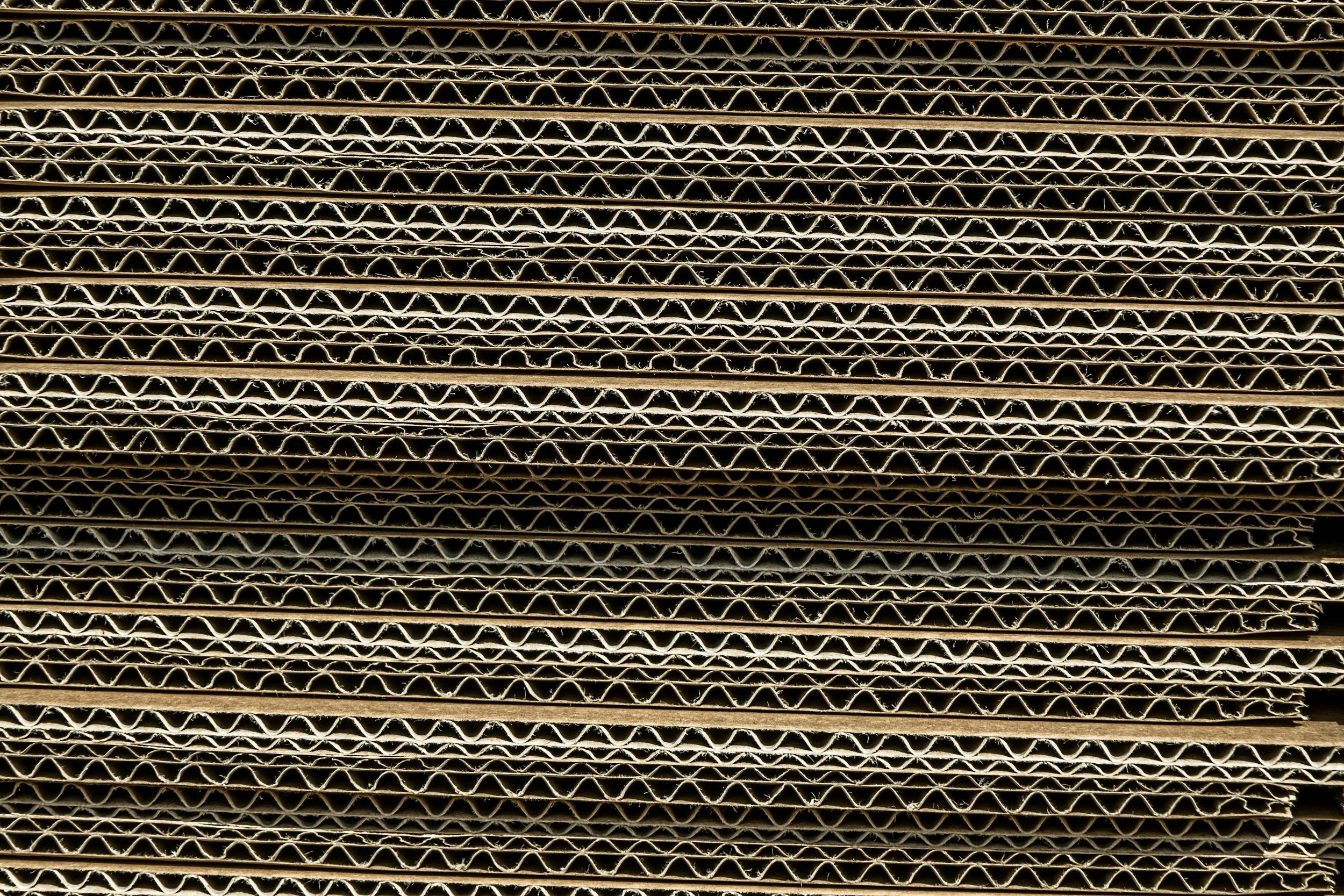
The underrated engineering asset in your recycle bin
Most people don't think twice about cardboard. It comes with the delivery, serves its intended purpose, and ends up slightly dented or broken down by the door waiting for recycling day.
But corrugated cardboard is one of the most sophisticated engineering materials on the planet. Those wavy lines, aka flutes, between the layers are not just filler. They are a structural system, engineered to absorb impact, store elastic energy, and protect goods across thousands of kilometres of shipping.
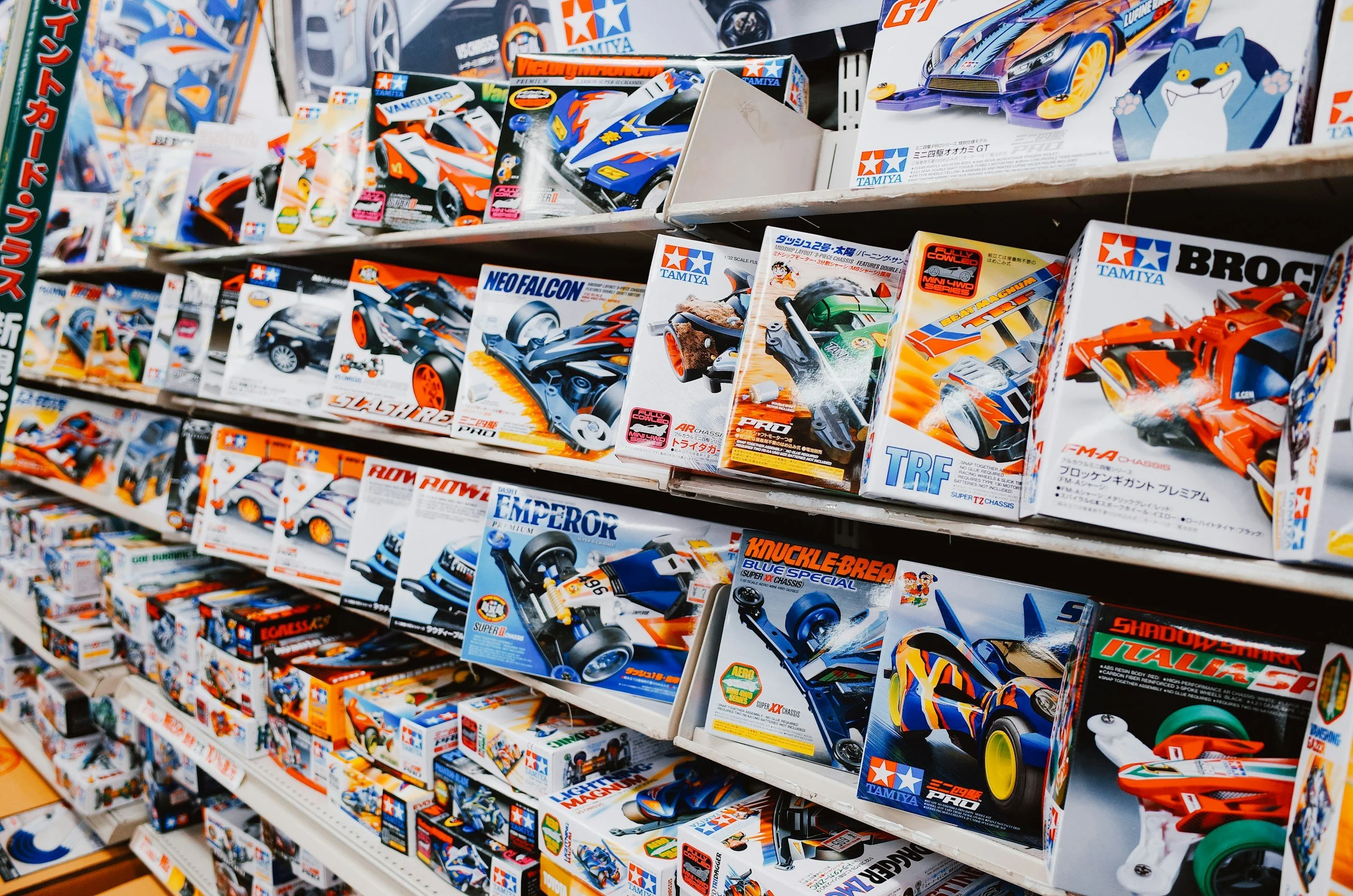
The problem with guided assembly kits
Guided assembly kits are satisfying to build. A child follows the numbered steps, connects the colour-coded pieces, and finishes something that looks exactly like the picture on the box.
It teaches what comes next, however, it does not ask why it works. The kit has already answered every question before your child could even ask it.
With cardboard, when a child sits down with a pile of corrugated sheets and a problem to solve, there is no step one waiting. There is the material, the brief, and the question of where to begin. That question is uncomfortable. It is also the beginning of real thinking.
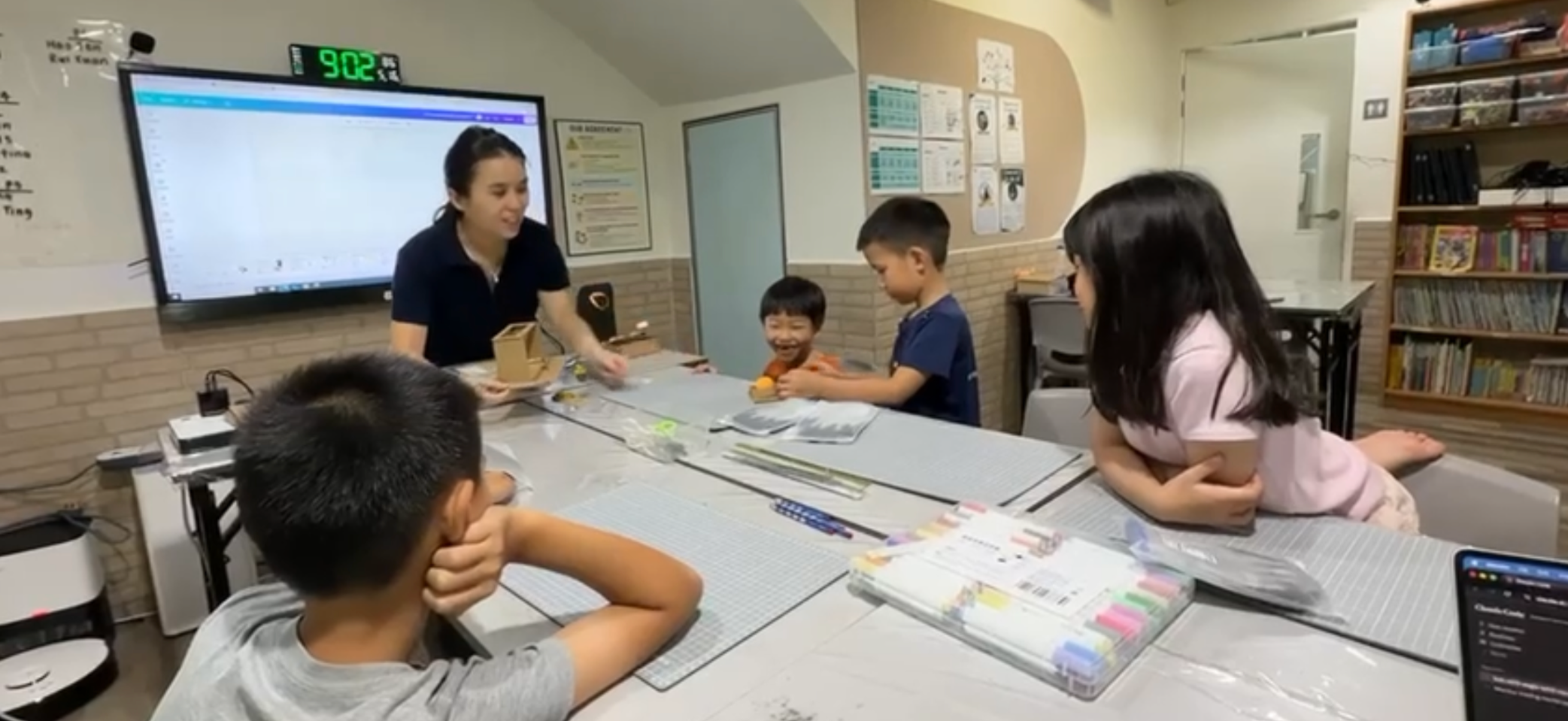
Where cardboard becomes real engineering.
Where the learning actually “sticks”
There is no undo button in our workshops.
When a design fails (and it will fail!), instead of giving up, a child can simply rip it apart and try again. That speed of recovery teaches us something, that failure is not a dead end, it is information. The messy process of pulling something apart and starting over is not the obstacle to learning. It is exactly where the learning lives.
