
What Tabletop Football Teaches Kids About Structural Engineering
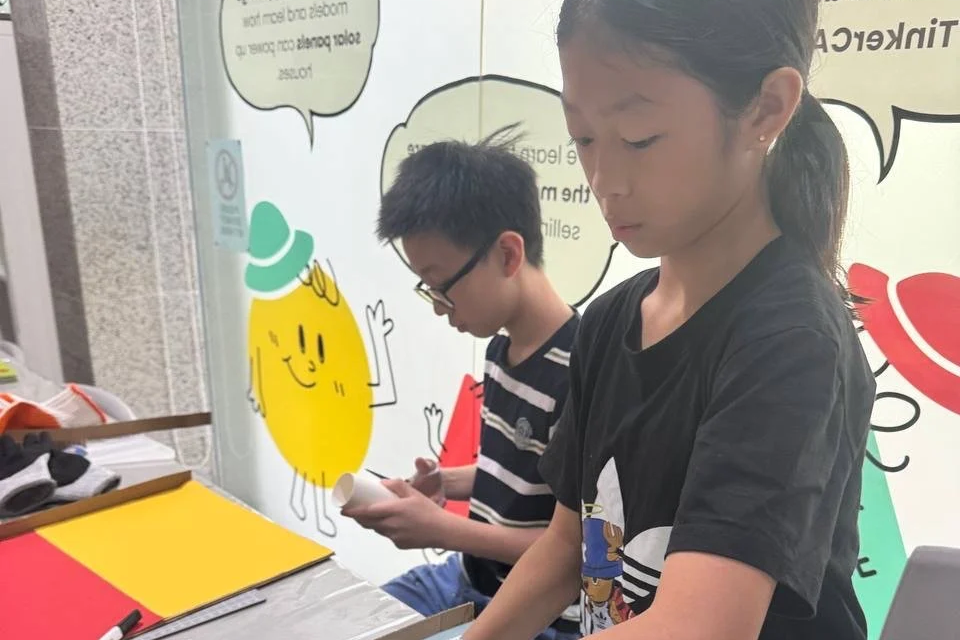
The engineering thinking that we are actually building
A child stops thinking of cardboard as a craft material, and starts treating it like an engineering asset, is exactly how an industrial designer choosing materials for a product asks: what forces will this part experience? What properties does the material need to handle those forces? What happens if it fails under load?
A child building a tabletop football game in our workshop asks the same questions. Not in those words. But the thinking is the same.
When the stadium wall buckles, they are not experiencing a game over. They are receiving structural feedback. The material is telling them something. The question is whether they know what to do next.
By the time they have rebuilt the wall once, using double-wall cardboard where the impact is highest, they know. Not because we told them. Because the build demanded it.
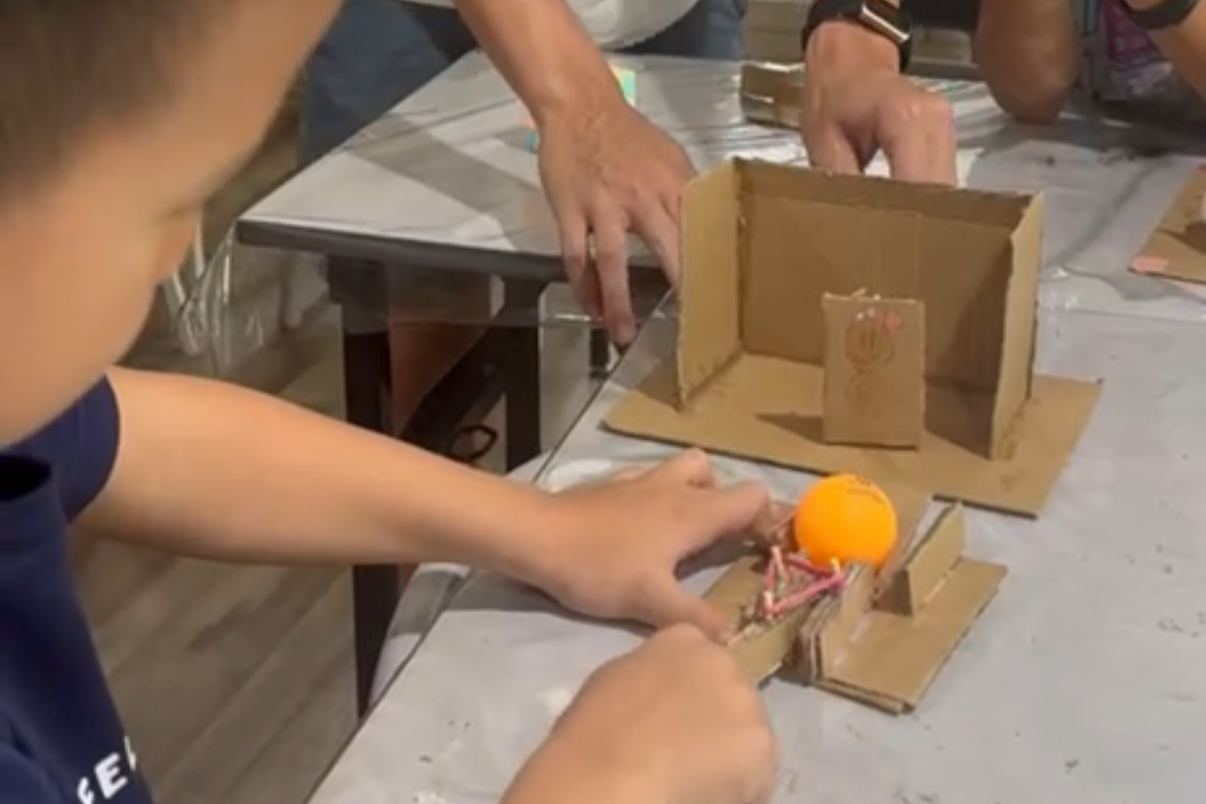
From cardboard to confidence.
Why this matters beyond the game
We are not trying to teach children to only know the difference between single-wall and double-wall cardboard.
What we hope for children to learn is that when something fails, instead of asking for help immediately, they ask why. They treat a broken down build as feedback rather than a setback, with the instinct to look at a problem and ask: what can I do to improve it?
This kind of learning does not come from a worksheet on material science. It comes from an afternoon where the ball kept breaking the wall and the only way forward was to figure out why.
