
How We Teach Kids to Train an AI Model Without Writing Code
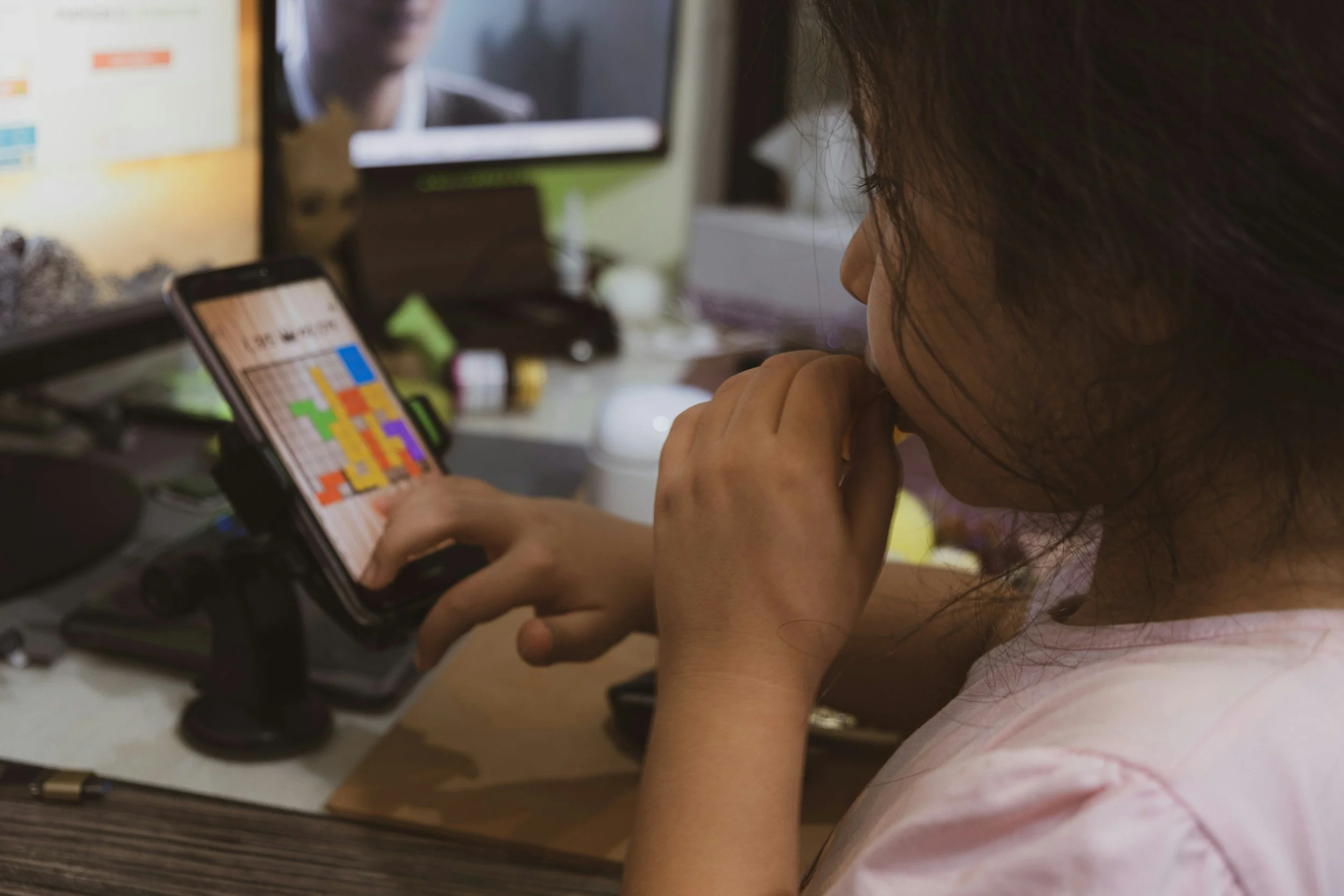
A different approach to children and their screen time
The conversation about children and screens tends to focus on time. How much is too much. When to take the device away. What the research says about attention spans.
I understand that conversation. But I think it is asking the wrong question.
The more important question is not how much time a child spends with technology. It is the type of relationship they are building with it. Are they moving through a world that other people designed, pressing the buttons and mindlessly taking in information given by chatbots? Or are they the ones deciding what the buttons do, and critically thinking about it?
A child who has trained an AI model does not look at technology the same way afterwards. They know that from direct experience, that the system is not simply magic. It is a pattern. It was taught. It can make mistakes. And it can be solvable.
That knowledge changes everything about how they will move through a world that is increasingly shaped by these systems.
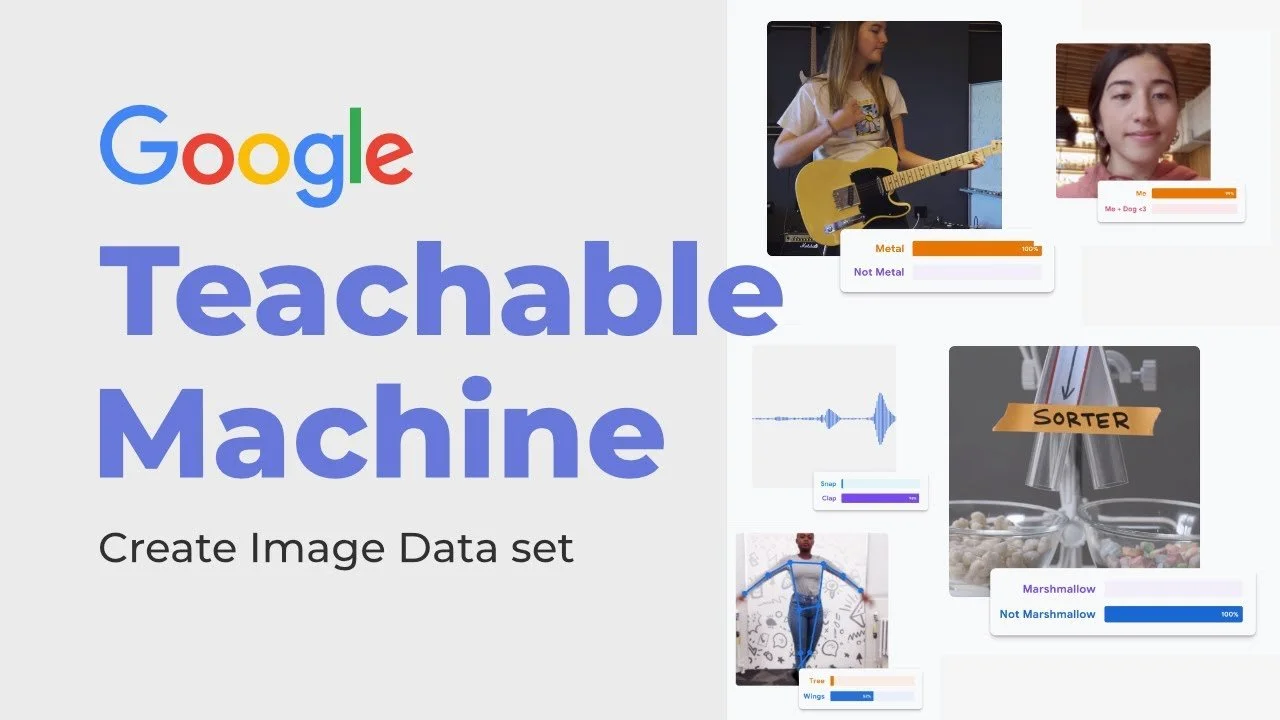
A breakdown of what Google Teachable Machine actually is
Most children come in not knowing what AI really is. A helpful homework tool, a creative companion, and a slightly unpredictable mystery, it is a system that someone else built and they simply use its functions.
Google Teachable Machine flips that entirely.
A child opens the tool, holds up their hand, and captures a series of snapshots. Each snapshot trains the model: this shape means left, this shape means right, this shape means fire. One click and the algorithm scans the patterns.
Then they test it.
And this is where it gets interesting.
The 65% moment
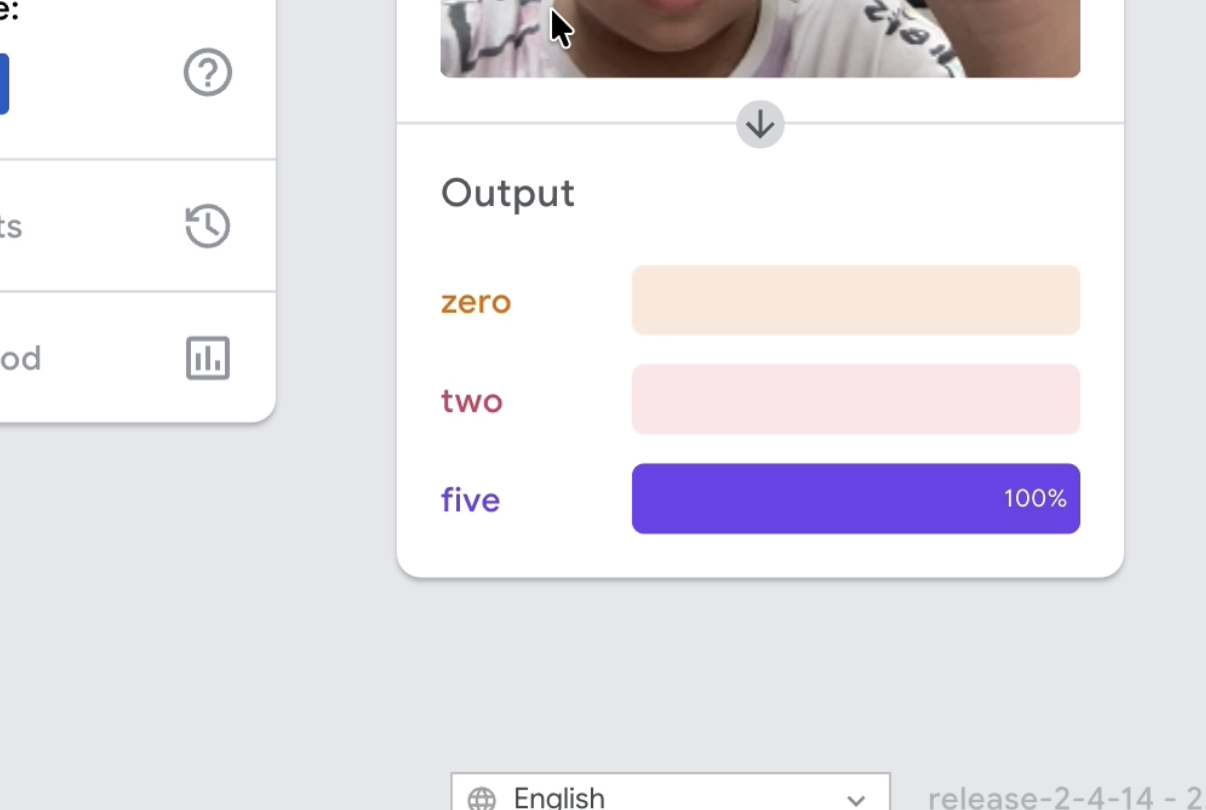
A child in our workshop got a 65% confidence reading on her first try. The AI recognised her signal, but only partially, it was not enough to act on it.
However, she did not reach out her hand for assistance just yet. She looked at her original training images and noticed something: in half of them, her wrist was at a slightly different angle. The model had learned an inconsistent version of her gesture.
She went back and recaptured the images, this time keeping her wrist steady throughout. Clicked retrain, and tested it again.
100%.
Nobody taught her what training data consistency means. She discovered it because her model was not working and she needed to understand why.
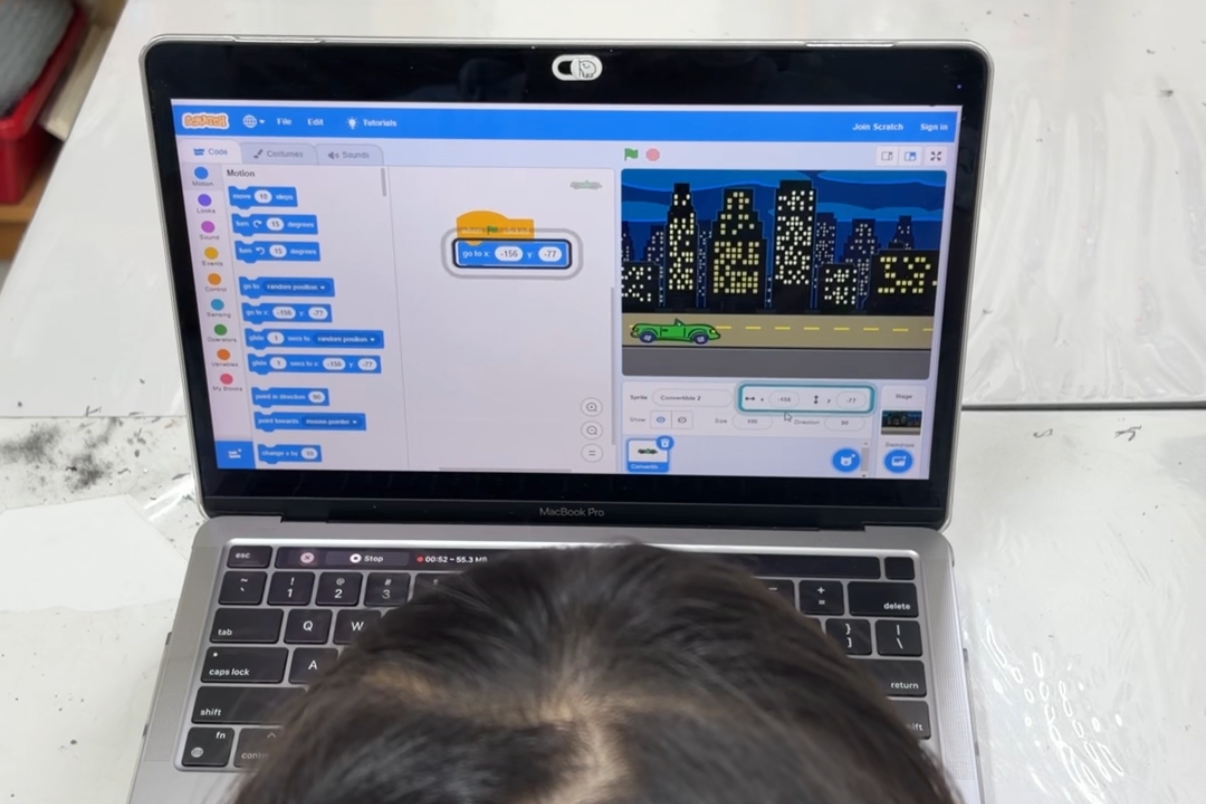
What happens when you snap it into Scratch
Once the model is working, children connect it to Scratch using a simple integration. The hand gestures they trained become the controls for a game they are building at the same time.
Left hand raised: spaceship moves left. Right hand raised: spaceship moves right. Both hands up: fire.
They are not playing a game someone else made. They are playing a game they built, controlled by an AI they trained, responding to signals they designed, even if they might have no coding background and no prior AI experience to start with. The child has in the space of one session become the person who made the technology rather than the person who uses it.
That shift, from consumer to creator, is what we are actually trying to build.
