
Is Roblox Suitable for Children Aged 7 to 12?
“When should my child be given access to devices?”
“How much time is too much?”
“What if my child sees something inappropriate?”
These were some of the questions parents brought to our recent Roblox: To Play or Not to Play? workshop in Bidadari.
The workshop was designed for parents of children aged 7 to 12, the formative years in which many children begin encountering online games through classmates, siblings and their own growing independence.
Our position at Explorer Junior is clear:
We do not consider Roblox an appropriate default gaming environment for children aged 7-12, particularly when they are playing independently.
This does not mean that every experience on Roblox is harmful, or that parents who allow it have made the wrong decision. It means the platform asks younger children to navigate a combination of user-generated content, social interaction, commercial pressures and very different game designs, often before they have developed the judgement to manage these confidently.
Understanding those concerns is more useful than simply telling everyone to ban Roblox.

Why Roblox is difficult to assess
When a child says, “I’m playing Roblox”, it tells us very little about what they are actually doing.
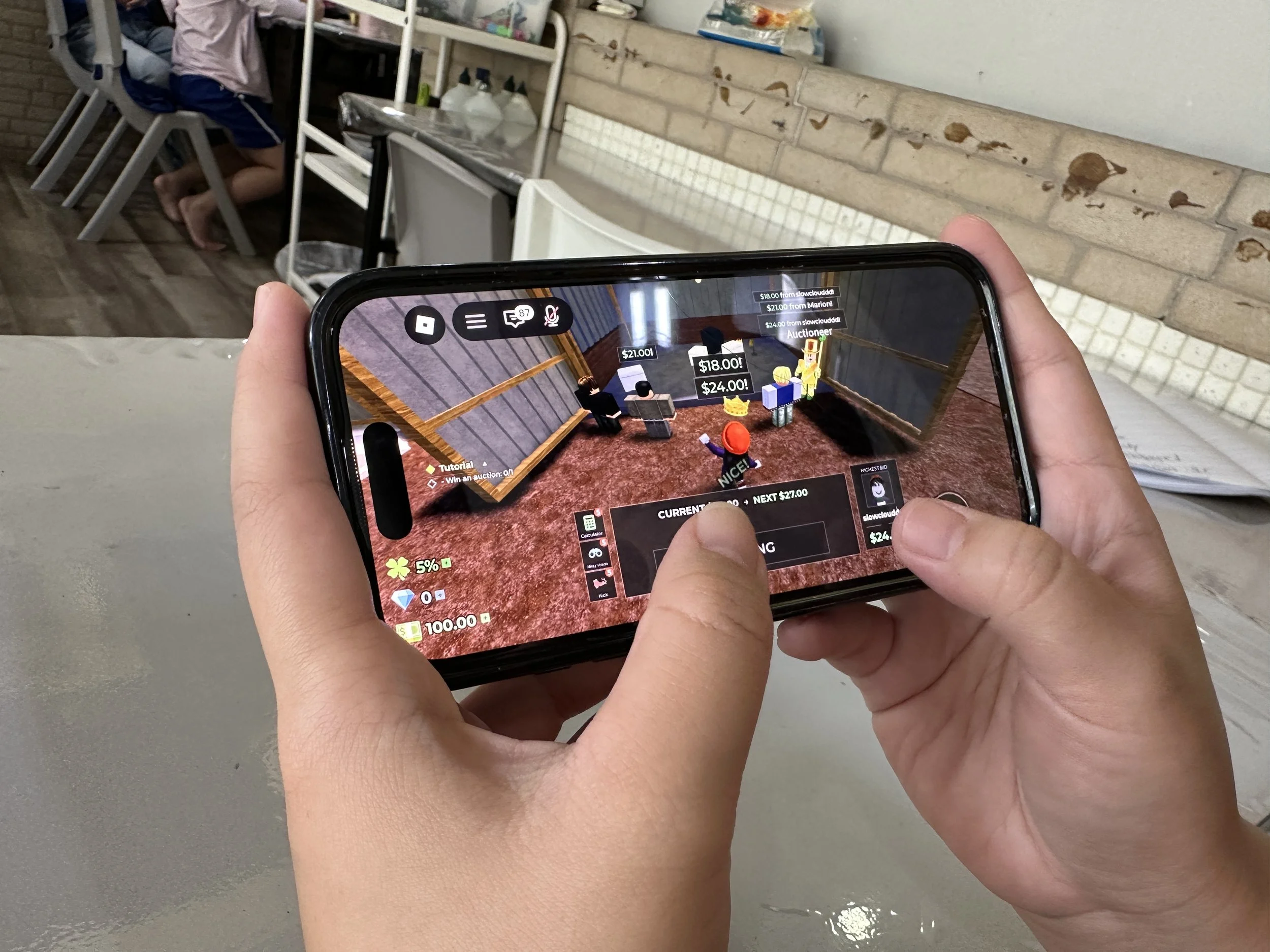
Roblox is not one game. It is a platform containing a large number of user-created experiences. A child might be building, role-playing, competing, socialising or moving quickly between different games.
The quality and content can therefore vary considerably.
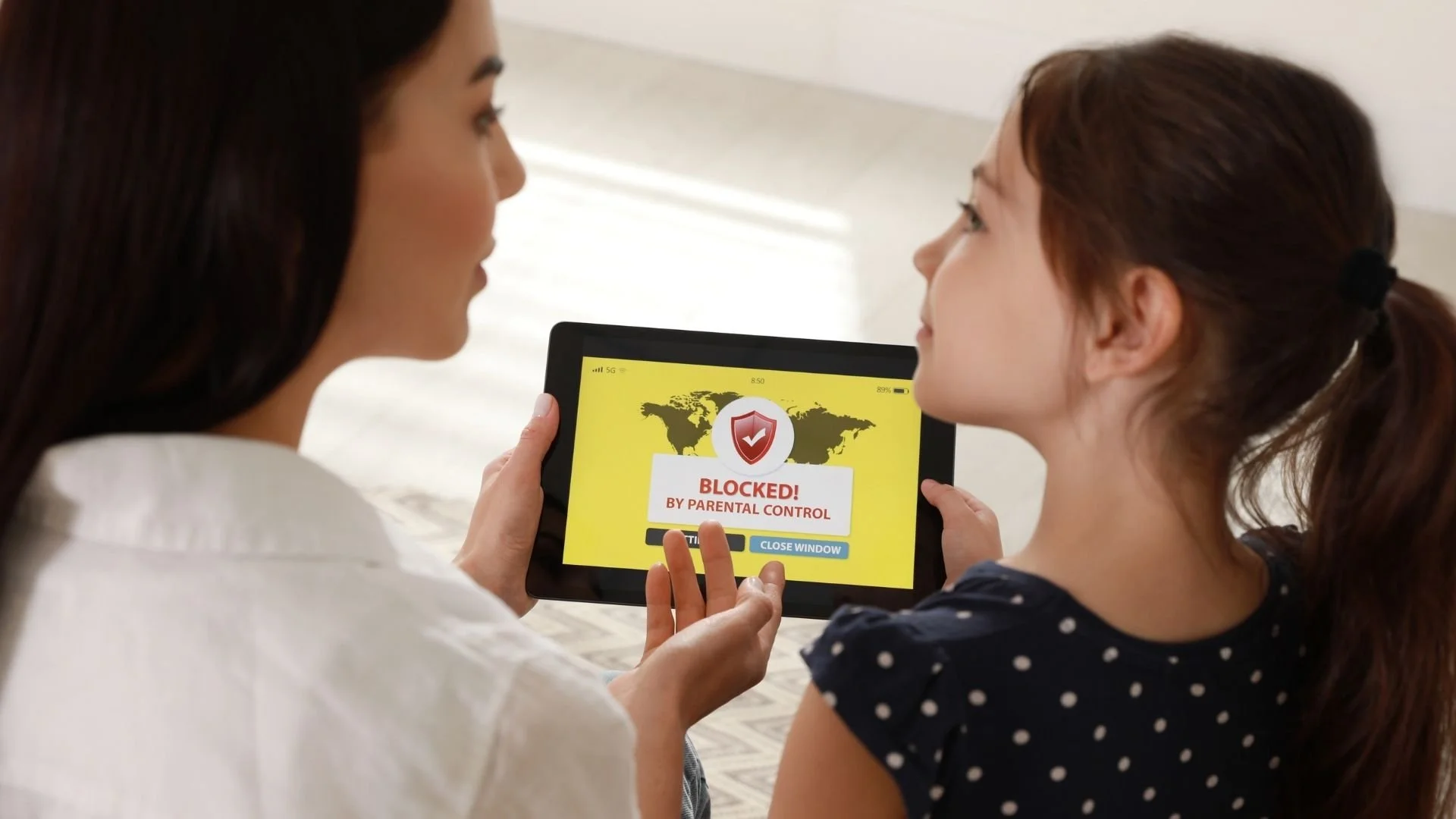
Children may also encounter chat, invitations from other users, virtual purchases and systems designed to keep them returning. Roblox provides parental controls for content maturity, communication, screen time, spending and access to specific games, but these settings require adults to understand and manage them actively. (Roblox Parental Controls)
The concern is not simply that Roblox contains “bad games”. It is that children aged 7–12 may struggle to recognise when an experience is unsuitable, when another user is behaving suspiciously or when a game is deliberately encouraging repeated play or spending.
What we heard from parents in Bidadari
This was intentionally an intimate and conversational workshop. Fifteen parents completed the pre-event survey, while seven completed the post-event survey.
The findings are not representative of all Singapore families and cannot demonstrate a measurable change in behaviour. They offer a close look at the questions this particular group brought into the room.
Parents were concerned about screen time, unsuitable content, interactions with strangers, peer pressure and when children should first have access to online games.
One parent asked:
“It’s just a matter of time before he gets to know the different online games. How should we prepare him now?”
That question captures the challenge well.
Many families know that simply saying “no” may not end the conversation. Children hear about Roblox from friends, watch related videos and may feel excluded when classmates discuss games they cannot play.
Parents therefore need more than a warning. They need to understand what they are setting boundaries around and how to explain those boundaries to their children.
After the workshop, all seven respondents rated it 4 or 5 for usefulness and wanted more conversations about children’s digital use.
The parts that resonated most were the small-group discussions and a live game demonstration. Parents could ask candid questions, compare approaches and explore the issue without being made to feel either too strict or too permissive.

Not all gaming experiences are designed in the same way
During the workshop, a 8-year old child played Slay the Spire while an adult gamer explained what was happening.
From the outside, this could simply look like more screen time. Looking more closely revealed the planning, decision-making and trade-offs involved as the player selected cards, managed resources and considered possible consequences.
The demonstration was not intended to recommend Slay the Spire to every child. It illustrated a more important distinction:
Games can look similar on a screen while asking very different things of the player.
One game may encourage planning, experimentation and reflection. Another may rely more heavily on repetitive rewards, social pressure, virtual purchases or the fear of missing out.
A game can also contain both thoughtful and problematic elements.
This is why screen time alone cannot tell us enough about the quality of a child’s digital experience. We also need to examine what the game asks the child to do, how it holds their attention and what happens socially around it.
We will explore these game mechanisms (and compare different types of games) in the next articles in this series.
What if your child already plays Roblox?
Our position is not a call for parents to panic or suddenly remove Roblox without a conversation.
If a child already plays, parents can begin by understanding the experience more clearly:
Which Roblox games do they play?
Who do they play with?
Do they use chat or interact with people they do not know offline?
Does the game involve spending, trading or repeated rewards?
What happens when it is time to stop?
Have the account’s parental controls been reviewed?
Parents can then decide whether to restrict particular experiences, supervise play more closely, pause access or choose a different game.
Singapore’s Digital for Life guidance similarly encourages families to select age-appropriate games, establish rules, use parental controls and help children recognise online risks. (Digital for Life: First Online Game)
The boundary may differ between families. But for children aged 7-12, we believe adults should make the decision rather than leaving children to judge the platform by themselves.
Moving beyond “Roblox: yes or no?”
The Bidadari workshop began with Roblox, but the larger issue was children’s Digital Literacy.
Children are entering digital environments designed by people and systems they cannot yet fully see. They need adults to help them understand what these environments are asking of them—not only how long they are allowed to stay.
For parents, this means looking beyond whether a game is popular, educational or labelled as suitable for children.
We can ask:
How does the game hold a child’s attention?
What behaviour does it reward?
What social pressures does it create?
What choices does the child genuinely make?
Is this an experience we want them to navigate at this age?
These questions will guide the next parts of this series, where we will look more closely at the mechanisms behind games and compare the kinds of experiences different games create.
The goal is not to divide games neatly into “good” and “bad”. It is to help families make more informed choices before a platform becomes part of the child’s everyday life.
For Workplaces, Schools and Community Partners
Explorer Junior facilitates practical, balanced conversations that help parents understand children’s experiences with gaming, AI and digital life.
Our parent talks and small-group workshops can be adapted for corporate wellbeing programmes, lunchtime learning sessions, schools and community settings.
Explore Explorer Junior’s Digital Literacy programmes.
