
Why Are Some Games So Hard for Children to Stop Playing?
“Five more minutes.”
For many families, these words signal the beginning of a familiar argument. The parent sees that gaming time is over while the child insists that they cannot stop yet.
It is easy to interpret this as defiance or a lack of self-control. Sometimes, a child is simply testing a boundary. But at other times, they may be in the middle of a team game, approaching a save point or responding to a reward designed to keep them playing.
A more useful question is:
What is making it difficult for my child to stop at this particular moment?
Understanding the answer does not mean extending play indefinitely. It helps parents distinguish between a child trying to finish something meaningful and a game repeatedly removing the natural place to stop.
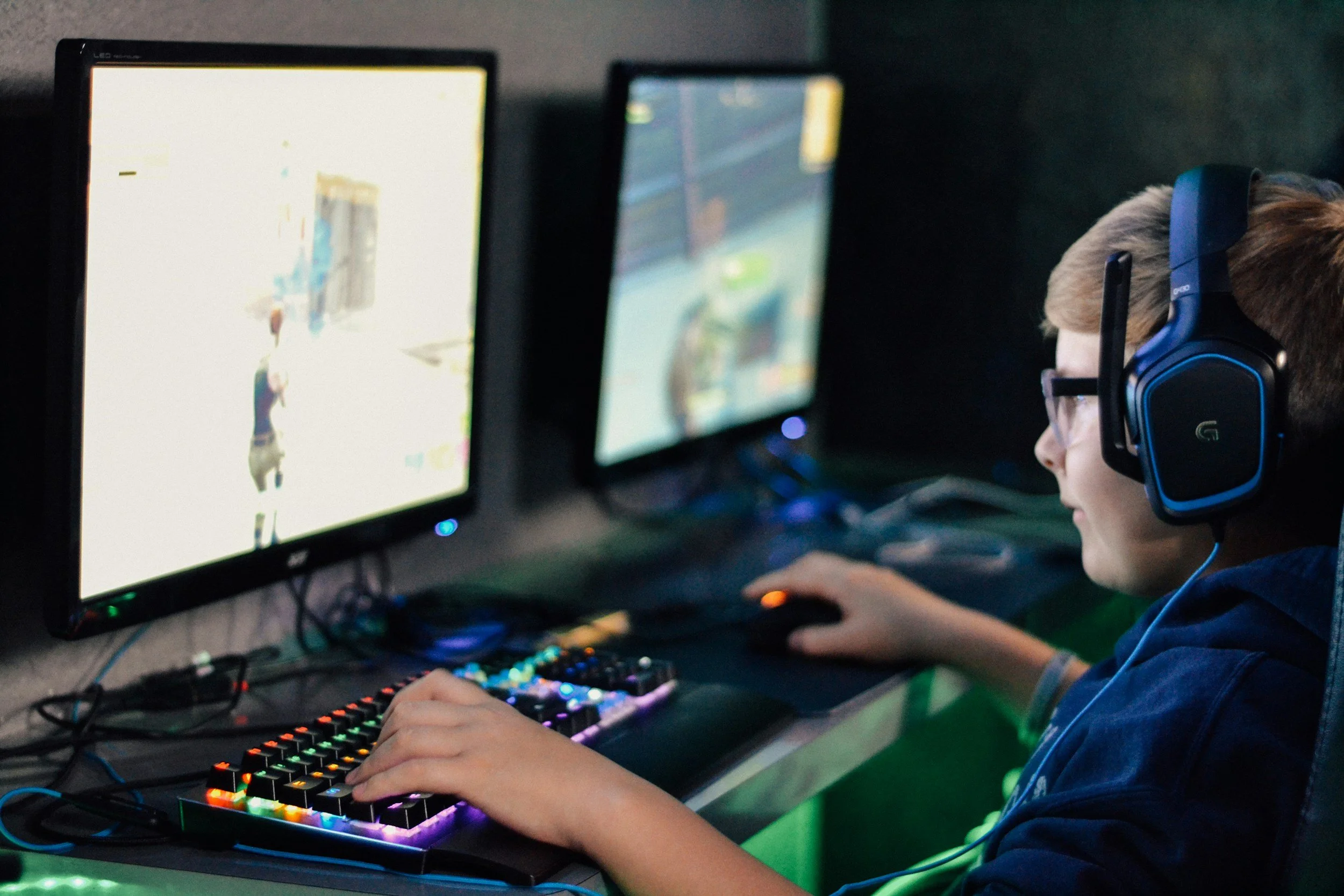
Games do not all create the same stopping experience
Some games have clear endings.
A round finishes. A puzzle is completed. A winner is decided. The player reaches a save point and can return later.
Other games are designed to continue. When one task ends, another appears. A reward becomes available. A teammate sends an invitation. An event is about to expire.
There is always something else to do.
This difference matters because stopping requires more than checking the clock. The child must shift their attention away from an active goal, accept leaving something unfinished and move into another activity.
For children aged 7 to 12, the self-regulation skills involved in planning, controlling impulses and moving between activities are still developing. These skills grow through experience and adult support; children are not born with them fully formed. (Harvard Center on the Developing Child: Executive Function)
Game design can make that transition easier or much harder.
1. The game has no natural stopping point
Imagine asking a child to leave a football match halfway through a play.
The child may not be resisting simply because they want more football. They want to reach a point where stopping makes sense.
Gaming can work similarly. A child may be:
In the middle of an online match
Approaching a place where progress can be saved
Completing a building project
Waiting for a result
Playing a role that their teammates depend on
Turning off the device immediately could mean losing progress or letting other players down.
This does not mean “five more minutes” should automatically be granted. It means stopping rules work better when they account for the rhythm of the game.
Instead of announcing the end only when time is up, parents can give an earlier reminder:
“You have ten minutes left. Please don’t begin another round.”
The boundary remains and the child has time to reach a more natural stopping point.
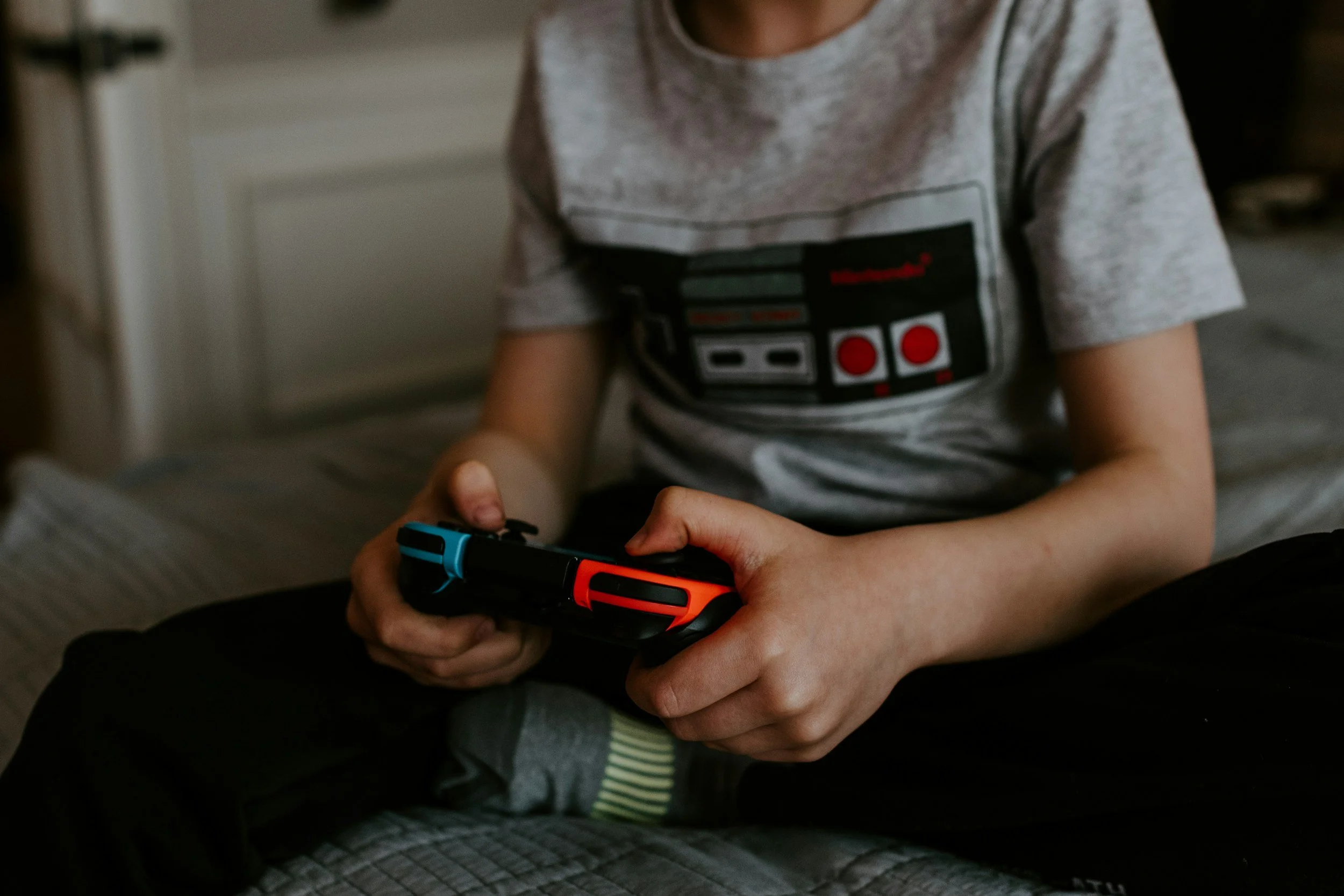
2. The next reward is always close
Many games offer coins, items, points, progress bars or surprise rewards.
Rewards are not automatically harmful. They can show progress, provide feedback and make practice enjoyable.
The difficulty arises when one reward immediately points towards the next:
Complete one more task
Open one more item
Return tomorrow to keep a streak
Play before an event ends
Try again for a different reward
Some rewards are predictable. Others vary, so players do not know exactly what they will receive or when they will receive it. This uncertainty can encourage repeated attempts.
The American Academy of Pediatrics notes that games and apps frequently use persuasive design and variable reinforcement to promote engagement. These features can keep users involved for longer, but their presence does not by itself mean that every player will develop a gaming disorder. (American Academy of Pediatrics: Digital Ecosystems, Children and Adolescents)
You can start by observing what happens after a child completes something. Does the game offer a satisfying conclusion or immediately create another reason to continue?
3. Leaving can feel like letting friends down
For many children, gaming is also a social time.
They may be playing with classmates, working in a team or participating in an online event. Leaving suddenly can feel less like putting down a toy and more like walking away from a group activity.
This can explain why a child who usually follows a screen-time rule reacts differently during an online match.
Social connection does not make every gaming environment suitable. Children still need boundaries around whom they interact with, what information they share and which platforms they use.
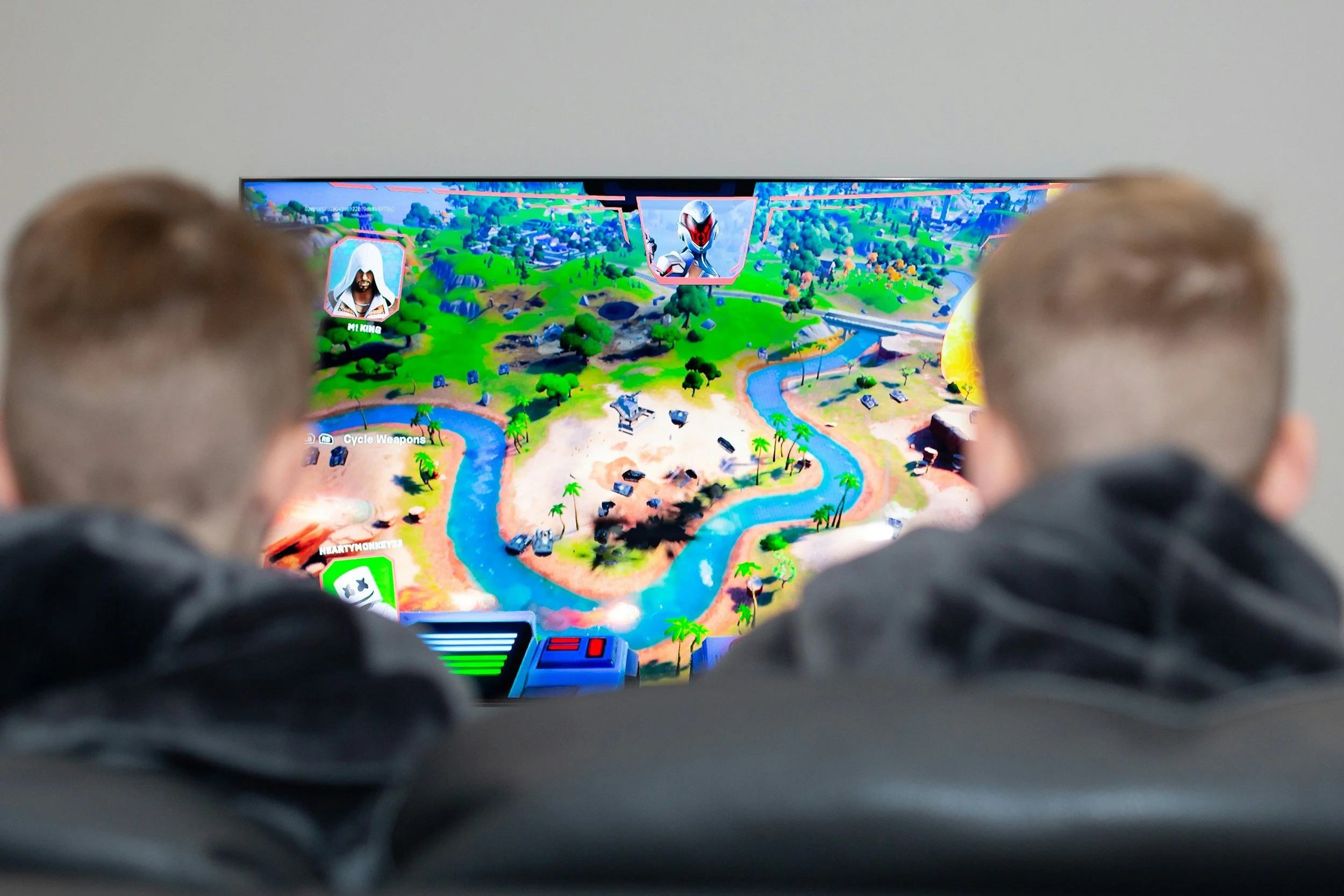
But parents may find it helpful to separate two issues:
The child wants more entertainment
The child feels responsible to other players
Each calls for a different conversation.
A family might decide that no new multiplayer round should begin during the final 15 minutes of gaming time. That respects the social structure of the game without allowing play to continue indefinitely.
4. The game creates urgency
Daily rewards, streaks and limited-time events can make a choice feel urgent.
The child is no longer deciding only whether they want to play. They may feel that failing to log in will mean losing progress, missing an item or falling behind their friends.
This is sometimes described as fear of missing out, but the pressure may be deliberately built into the experience.
A useful question for parents is:
What does my child believe they will lose if they stop or do not log in?
The answer may reveal whether the child is playing because they genuinely enjoy the experience or because the game has made absence feel costly.
It is more complicated than “dopamine”
Dopamine is often used as a simple explanation for why children cannot stop gaming.
But saying that games “release dopamine” tells us very little. Dopamine is involved in motivation, learning and anticipation across many everyday activities. It is not a substance created only by screens, nor does enjoying a rewarding activity automatically mean someone is addicted.
The more practical explanation lies in the interaction between:
The child’s developing self-regulation
The activity happening at that moment
Social expectations
The design of the game
The boundary and transition being asked of them
This gives parents more useful places to act than simply telling children to use more willpower.
What parents can try
The aim is not to negotiate every boundary each day. Children need rules that are clear and reasonably consistent.
But those rules can work with the structure of gaming rather than discovering it only during an argument.
Before play
Agree on:
How long the child may play
Whether multiplayer games are allowed
When the final round must begin
What happens when time is up
During play
Give advance notice rather than announcing the transition without warning.
Ask the child to show you where a round, task or save point ends. This helps you see whether the request for more time is meaningful or whether the game will simply generate another reason to continue.
After play
If stopping repeatedly causes conflict, discuss it when everyone is calm:
What made stopping difficult?
Was something left unfinished?
Was another person depending on you?
What could we plan differently next time?
Is this game suitable for our family right now?
Parental controls and timers can support these boundaries, but they work best as a backup to an understood family rule instead of a surprise shutdown. The ESRB similarly recommends discussing gaming rules and recognising that some games have logical stopping points or social consequences for leaving abruptly. (ESRB Family Gaming Guide: Managing Screen Time)

Look beyond the number of minutes
Time still matters. Gaming should not consistently displace sleep, school responsibilities, physical activity or family life.
But two children can spend the same number of minutes gaming and have very different experiences.
One may complete a defined challenge and stop comfortably. Another may move through an endless sequence of rewards, invitations and limited-time events with no clear conclusion.
That is why digital literacy requires us to look beyond how long children play.
We also need to understand what the game asks them to do, how it holds their attention and what makes leaving difficult.
The goal is not to excuse every request for “five more minutes”. It is to set boundaries with a clearer understanding of what those five minutes mean.
Next in This Series
Not all games use these mechanisms in the same way.
In the next article, we will compare different gaming experiences and consider what parents can look for when choosing a game for children aged 7 to 12.
