
What Should Children Learn to Navigate a Changing World?
Parents and educators are being asked to prepare children for AI, digital life, environmental challenges and jobs that may not yet exist.
It is understandable that the response is often to add more: coding classes, robotics, sustainability projects and lessons about online safety. Each can be valuable.
The harder question is whether children can connect what they learn and use it when the situation changes.
We may not be able to prepare children for every new tool or challenge. But we can help them learn to understand what is happening, create something purposeful and make thoughtful choices when the answer is not obvious.
At Explorer Junior, we describe this as:
Understand the world. Create with purpose. Navigate with confidence.
This idea connects the two areas at the centre of our work: Community STEM and Digital Literacy.
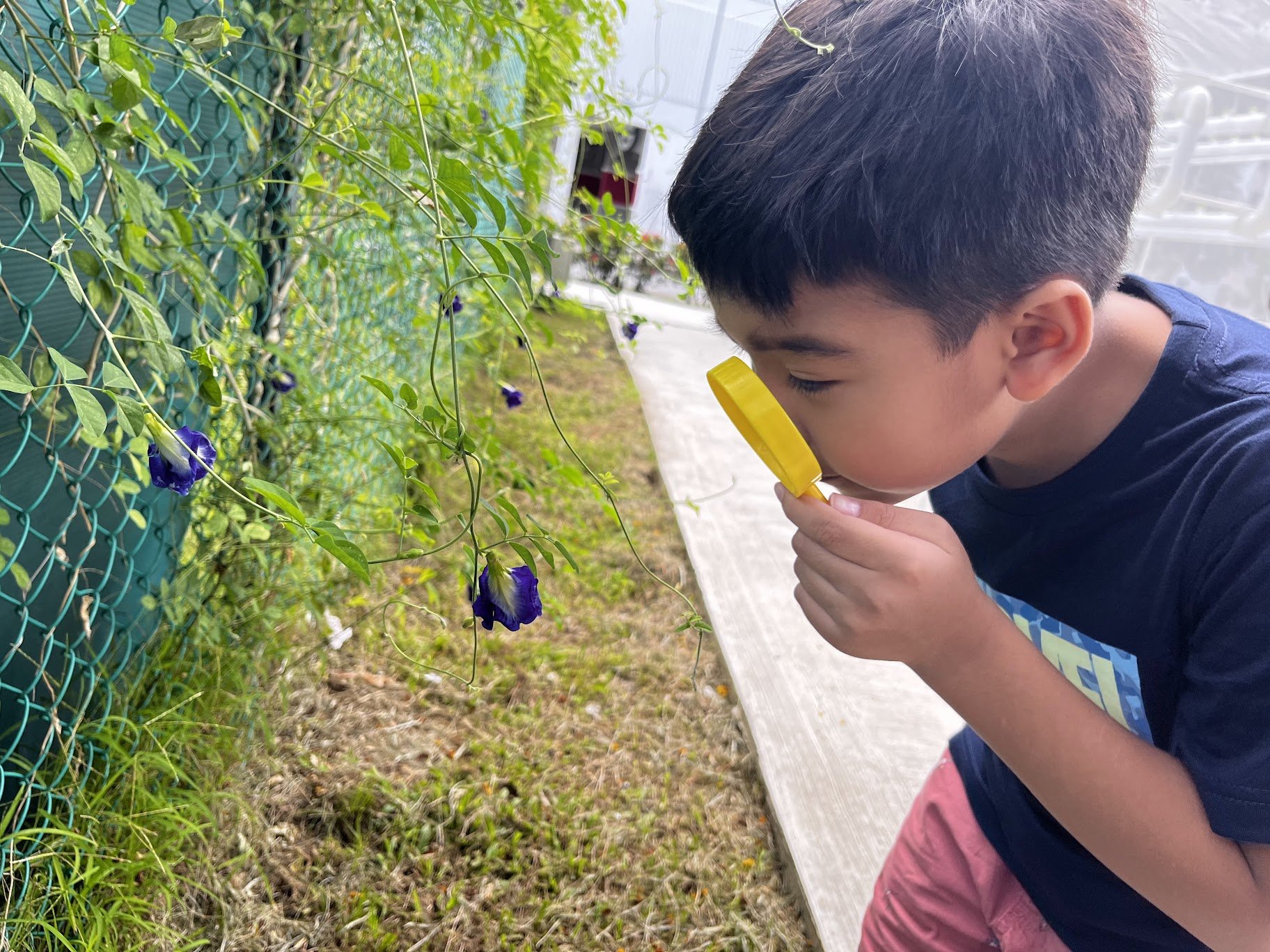
Begin by understanding the world
Meaningful learning often starts with something children can see and experience.
In Community STEM, children might notice that a playground cannot be used when it rains, a shared walkway feels unsafe at night or a public space does not work equally well for everyone.
Before asking them to build a solution, we can help them look more closely:
Who uses this space?
What difficulties might they experience?
What do we need to understand before creating anything?
STEM then becomes a way to investigate a real situation. Children can draw on science, technology, engineering and mathematics because these subjects help them answer a question that matters.
The same idea applies to Digital Literacy.
Children already encounter games, videos, search engines and AI tools. We can help them move beyond knowing which buttons to press and begin noticing how these digital environments work.
A game has rules and rewards designed by someone. An AI-generated answer can sound convincing without being accurate. A digital platform influences what appears next and what people are encouraged to do.
Understanding technology does not require children to become technical experts. It begins with recognising that digital experiences are designed, and learning to ask thoughtful questions about them.
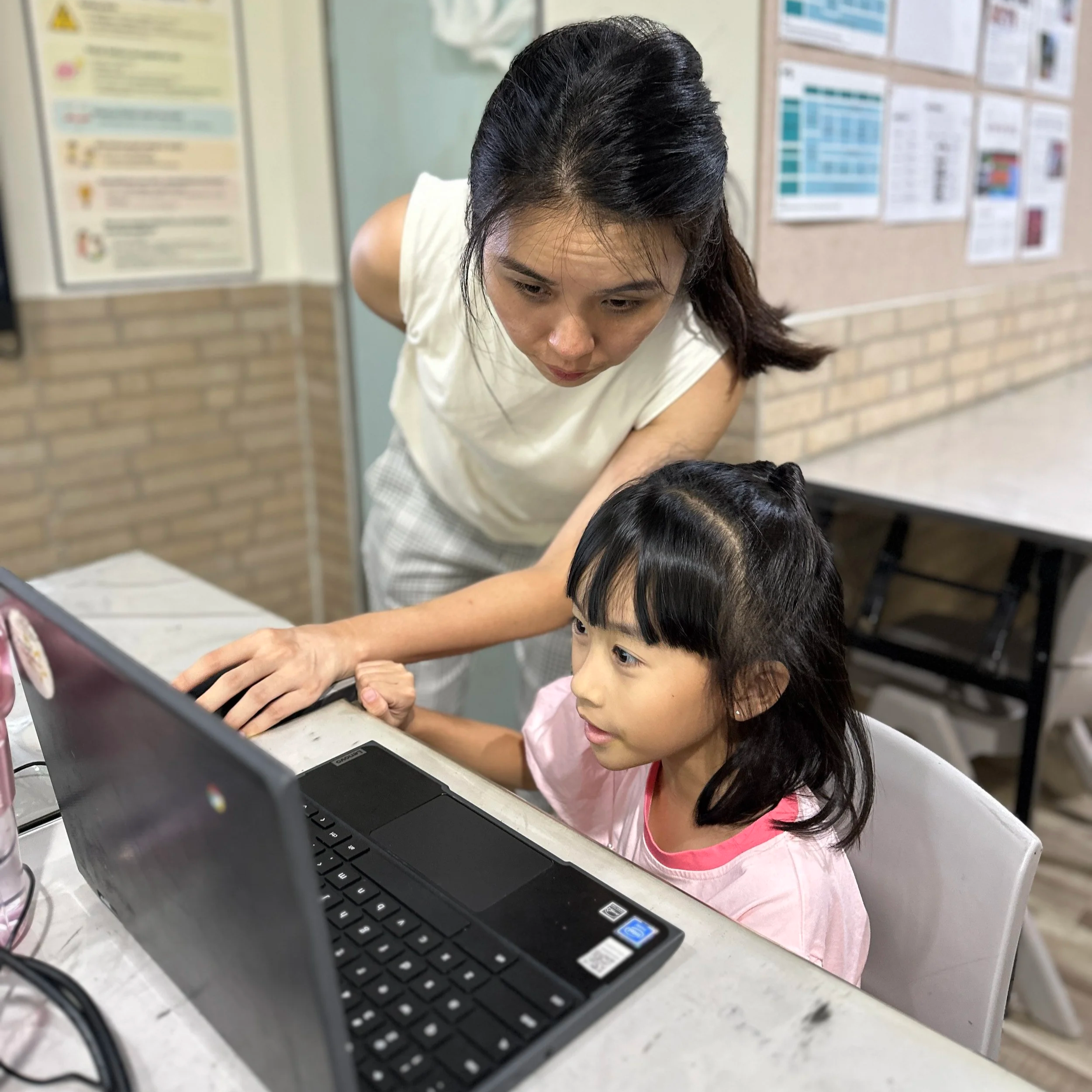
Give children a reason to create
Children learn through making.
They can build models, programme games, design structures, experiment with materials and create with digital tools. These experiences make abstract ideas easier to see, discuss and test.
Creation becomes more meaningful when children also understand why they are making something.
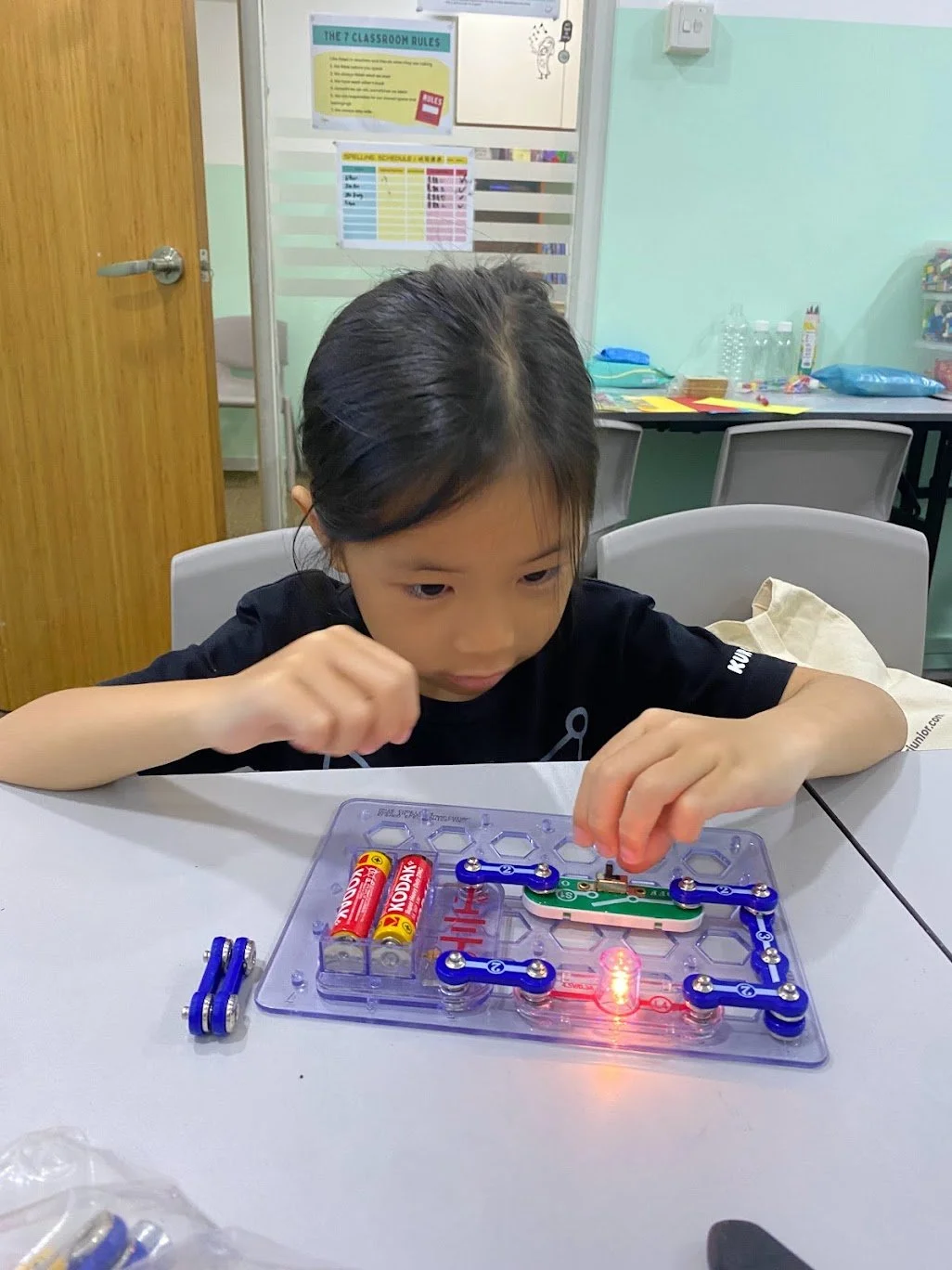
A child might assemble a circuit by following a diagram. That can be a useful first step. The experience becomes richer when the child considers how the circuit could help someone move through a dark walkway more safely.
Similarly, a child might learn to move a character in Scratch. They can then go further by deciding how their game should work, testing how its rules affect the player and improving the experience.
The aim is not to choose between technical instruction and open-ended creativity. Children need both. Skills give them something to work with; purpose gives them a reason to use those skills thoughtfully.
We see this in our AI learning programmes. Children use Google Teachable Machine to train a simple image-recognition model and connect it to a Scratch game.
When the model misreads a gesture, they examine their training examples, collect better data and test it again. In the process, they begin to understand that AI learns from data, can make mistakes and can be investigated rather than simply accepted.
The finished game matters, but so does what children discover while creating it. Read how children can train a simple AI model without writing code.
Help children grow confident with uncertainty
Confidence is sometimes associated with having the correct answer quickly.
But in a changing world, confidence may look different.
It can mean being willing to pause, ask a question, try an idea and reconsider it. It can mean checking an AI-generated answer before using it, improving a prototype after it fails or listening when another person experiences a community space differently.
These moments require judgement as well as knowledge.
Judgement develops gradually. Children need supported opportunities to make decisions, see what happens and reflect on their choices.
This is why online safety forms only one part of Digital Literacy. Alongside learning about risks and boundaries, children can also experience creating with technology, questioning its outputs and deciding when a tool is useful.
Community STEM offers similar opportunities. When children investigate a community need, they begin to see that a solution has to work not only in theory, but also for the people and places it is intended to serve.
Neither area is about expecting children to solve complex social or technological problems by themselves. It is about giving them age-appropriate experiences of paying attention, contributing ideas and learning that their choices matter.
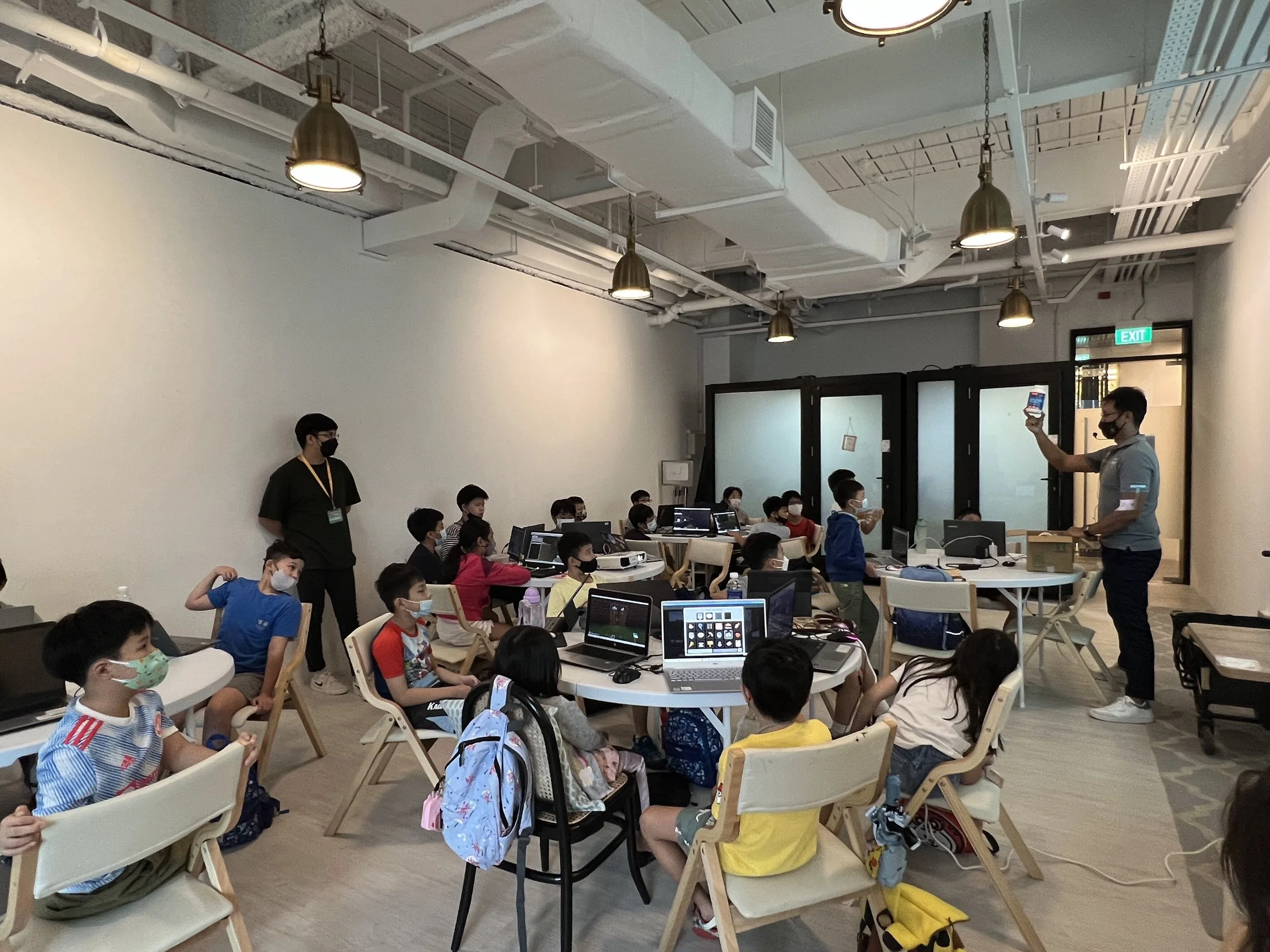
Connect the experiences children already have
Many children will encounter coding, robotics, sustainability, design and AI through different lessons and programmes.
The challenge is not that these experiences lack value. It is that they can sometimes feel disconnected.
A coding project may teach a useful technical skill. A sustainability activity may introduce an important issue. A design challenge may encourage creativity. The opportunity is to help children see what connects them.
Across these experiences, we can ask:
Are children looking closely before jumping to a solution?
Do they understand the people and systems involved?
Are they making meaningful decisions while creating?
Do they have opportunities to test and improve?
Can they explain their thinking and reflect on their choices?
These questions can help us move beyond exposure to individual topics and towards a more coherent way of learning.
This direction is consistent with Singapore’s education priorities. The Ministry of Education’s frameworks for Digital Literacy and Technological Skills, 21st Century Competencies and Applied Learning all emphasise thoughtful participation, values and connections between knowledge and the real world.
The question for schools, families and programme providers is not simply how many future-facing topics we can introduce.
It is whether children are developing a way to approach something unfamiliar.
We cannot prepare them for every tool or challenge they will meet. But we can help them become young explorers: children who are learning to understand the world, create within it and navigate change with growing confidence.
For Schools, Community and CSR Partners
Explore how Explorer Junior brings Community STEM and Digital Literacy to life through purposeful learning experiences for children, families and communities
